Blessed Nurse: A Designer's Take on an Embroidered Tribute
A Design That Honors the Heart of Care
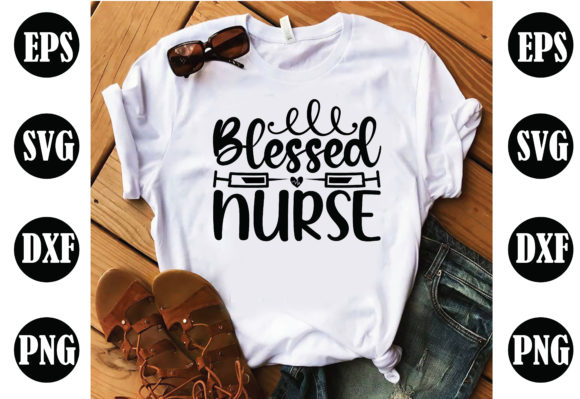
When you download the Blessed Nurse embroidery design, the first impression is clear and warm. This isn't a complex, ornate piece; it's a direct and heartfelt tribute. The layout is straightforward, with the central theme taking priority. It creates a mood of gratitude and recognition, perfect for a personal gift or a product meant to acknowledge someone's dedication. The visual personality is sincere, not flashy. For embroidery, that's a great starting point—it means the design’s intent translates easily into stitching, without a lot of fussy detail that might get lost in thread.
Where This Design Finds Its Home
In my workshop, considering a real project, I immediately pictured this on a custom tote bag. A sturdy canvas tote for a nurse, embroidered perhaps in a classic navy or burgundy thread. It feels substantial, a usable item carrying a meaningful message. But that’s just one home. Blessed Nurse naturally belongs on a range of projects aimed at appreciation. Think personalized pillow covers for a nurse’s lounge, embroidered patches on a soft blanket, or a clean, simple placement on the corner of a kitchen towel for a home kitchen. For a craft business or Etsy seller, this design could anchor a whole line of “thank you” products—custom apparel like sweatshirts for healthcare teams, or a subtle design on a baby item for a pediatric nurse.
The key is its versatility in mood, not necessarily in ultra-fine detail. It would shine on boutique merchandise meant as a holiday gift or a wedding gift for a healthcare professional. In printable mockups for your digital product listings, it presents a clean, recognizable graphic that buyers can easily imagine stitched.
Scenarios Where Stitching Will Look Sharp
For commercial embroidery projects or handmade products for sale, Blessed Nurse performs well on stable, medium-weight fabrics. A cotton tote bag, a denim apron, a twill cap, or a quilted pillow cover are all excellent candidates. The design’s clarity will hold up on these surfaces, and the stitch density—assuming a standard fill for the larger elements—should provide good coverage without being overly heavy. On a tea towel or a nursery decor piece, using a running stitch outline could keep it light and decorative.
Points for Careful Consideration
Any experienced embroiderer knows a design file is a blueprint; the real test is on the fabric. For Blessed Nurse, there are a few situations where I’d proceed with extra caution. If you’re planning to stitch this on a very textured fabric, like a thick sweater or a loose linen, some of the cleaner lines might soften—that could be a nice effect, but test first. Thin or stretchy fabric, like a t-shirt, will require excellent stabilizer and possibly a reduction in size to prevent puckering.
Dark fabric backgrounds are a classic choice for nurse-themed items, like a black cap. Here, thread color contrast is paramount. You’d likely want a bright, clean white or a metallic silver to pop. Tiny lettering, if present in the design, is always a point to inspect in your test run. On curved surfaces like caps, the design’s overall shape should be checked for distortion in the digital file before hooping. And for products that need frequent washing, like apparel or kitchen towels, a secure satin stitch and robust thread will be important for longevity.
How This Design Adds Value to Your Work
From a product value perspective, Blessed Nurse elevates a simple item into a personalized gift. That transformation is what customers respond to. For an Etsy seller or small shop owner, using this design on your merchandise creates a handmade presentation that feels thoughtful and professional. It builds customer trust because the final product communicates a clear, respectful message. For branding a line of healthcare appreciation products, it offers consistency. Its giftability is high—it’s immediately recognizable and emotionally resonant. In a craft fair setting, an embroidered tote or sweatshirt featuring this design would engage buyers looking for meaningful, not just decorative, items.
Practical Notes From the Hoop
Before committing this to a client project or a batch of small shop merchandise, my routine is always the same. Test the embroidery design on a scrap of the exact fabric you plan to use. Check the thread color contrast on both light and dark backgrounds—sometimes a design looks perfect in a black and white mockup but needs a slight hue adjustment on real material. Review the stitch density in the actual stitches; too dense can stiffen a lightweight fabric, too sparse can look weak.
Confirm the hoop size you need for your intended final product. A larger tote bag might allow a bigger, more impactful version, while a baby clothes application might need a smaller, subtler scale. Always use the proper stabilizer for your fabric type; this is non-negotiable for clarity. Crucially, since this download includes an AI file and an SVG file, it’s geared towards design software and cutting machines as well. This makes it a versatile digital asset. However, for machine embroidery, you will need the specific embroidery file format compatible with your machine. The product description lists graphics files, so ensure you have or acquire the correct machine embroidery format for your hoop.
Finally, always confirm the licensing terms before selling finished items or digital products derived from the design. Knowing whether your use is for personal or commercial projects is a fundamental step for any creative entrepreneur. The Blessed Nurse design, with its sincere appeal, has the potential to become a staple in your craft business for projects that honor care. With practical testing and thoughtful application, it can stitch up into products that feel both professional and profoundly personal.