A Designer’s Take on the "One Spooky Nurse" Halloween Design
First Impressions: A Playfully Creepy Character
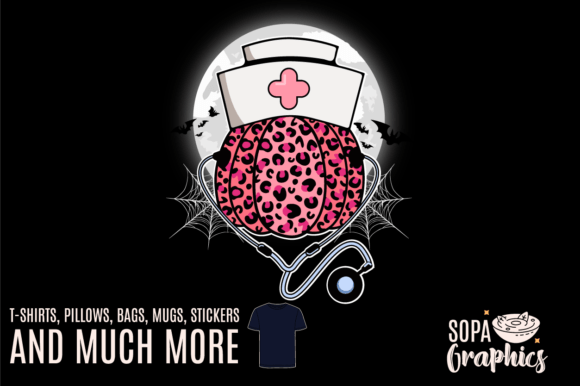
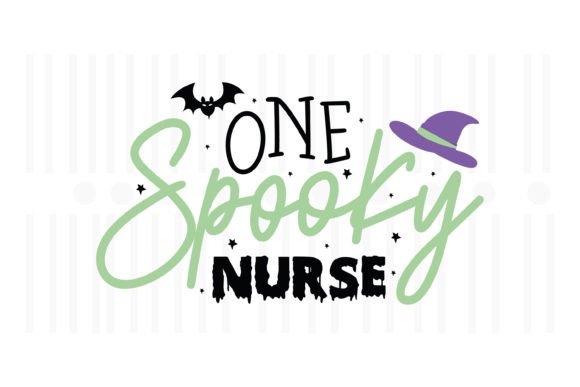
When I first opened the "One Spooky Nurse" Halloween Quotes design file, my immediate thought was, “This has character.” It’s not just a generic spooky graphic; there’s a playful, almost mischievous personality baked into that nurse silhouette and the accompanying text. The mood is classic Halloween—creepy but approachable, perfect for folks who enjoy the holiday’s fun side without venturing into truly terrifying territory. The layout feels balanced, with the quote integrated as part of the composition rather than just slapped below an image. This visual personality is a huge plus; it means the embroidered result won’t feel like a stock image, but like a designed piece.
The Natural Fit for Embroidered Projects
This design naturally belongs to projects where you want a statement. I pictured it immediately on a heavyweight sweatshirt or a sturdy canvas tote bag. The bold shapes and clear lettering would translate beautifully into satin and fill stitches, creating a substantial, tactile feel that elevates a simple garment or accessory. For a real-life scenario, imagine a custom order for a Halloween-themed apron for a home baker or a patch for a collector’s jacket. The "One Spooky Nurse" design would become the focal point, a conversation starter. In a craft business context, this kind of distinctive artwork helps your handmade product stand out in an Etsy search or on a craft fair table.
Where It Shines: Apparel and Home Goods
For embroidery, this design performs wonderfully on stable, medium-to-heavy fabrics. Think sweatshirts, hoodies, tote bags, pillow covers, and tea towels. On a pillow cover in a guest room or a kitchen towel, it becomes a seasonal decor piece with real handmade charm. For a small shop selling boutique merchandise, offering it as a personalized gift—like an embroidered baby bib with a playful spooky theme for a Halloween-born child—adds a unique touch. The provided vector files mean you can scale it confidently for larger areas, like the back of a sweatshirt, or smaller ones, like the front of a cap, without losing the integrity of the lines.
Careful Considerations for Stitching Success
While the design is bold, its success depends on mindful execution. On very small hoop sizes, the details in the lettering and the nurse’s features could become crowded. I’d avoid using it on thin, stretchy fabrics like lightweight t-shirts without excellent stabilizer, as the stitch density needed for the fills could cause puckering or distortion. Embroidering on dark fabric requires a thoughtful thread color contrast test on scrap fabric first—those “100 Color Changeable” claims in the description are a gift, letting you experiment with high-contrast palettes for maximum visibility.
Curved surfaces like caps present a challenge with any design containing text; the curvature can warp the perceived alignment. Always test on a similar curved scrap. Also, inspect the small details in your software preview; tiny interior corners in the design might need a slight adjustment in stitch settings to prevent thread buildup. For products destined for frequent washing, like baby clothes or kitchen linens, ensuring your stitch structure is secure and using quality thread is paramount to maintain that professional, finished product look over time.
A Note on Visual Appeal and Customer Trust
Using a well-composed design like this directly impacts perceived value and customer trust. A clean, crisp embroidery with clear shapes and readable text looks professional. It tells your client or buyer that you care about craftsmanship. This boosts buyer engagement for small shop products—people are more likely to share a photo of a well-made embroidered tote bag than a blurry, poorly executed one. For giftability, especially for holiday gifts like Halloween, the design’s strong thematic recognition makes the item instantly understandable and delightful.
Practical Designer Notes Before You Hoop
My routine with any new embroidery file, including this one, always involves a few checks. First, I run a test on scrap fabric of a similar weight and texture to my final project. This reveals the true stitch density and how the colors interact with the background. I always compare light and dark fabric backgrounds in digital mockups, even simple black-and-white previews, to gauge contrast. The source files being EPS and SVG at 300dpi is excellent for scalability and clarity in digital product previews for your shop, but remember: the embroidery machine file conversion is a separate step. Confirm your software translates the vectors cleanly.
Since the description mentions it’s for graphics and crafts, and includes source files, it’s crucial to verify the licensing terms before using it for commercial embroidery projects or selling digital products derived from it. Never assume. This protects your craft business and ensures brand consistency. Finally, match your stabilizer to your fabric. A robust design on a sweatshirt might need a firm cutaway, while a tea towel might work with a tear-away. These practical steps turn a great digital design into an even better finished product.
The Final Stitch: A Versatile Halloween Asset
The "One Spooky Nurse" Halloween Quotes design is a versatile asset for makers. It carries a specific mood that fits a range of projects, from personalized gifts to small shop merchandise. Its strength lies in its character and scalability, but its embroidery success hinges on your thoughtful application—choosing the right fabric, testing thread colors, and respecting the details. When handled with that care, it becomes more than just an embroidery file; it becomes a charming, professional-looking piece that enhances your handmade presentation and delights anyone looking for a touch of playful spookiness in their wardrobe or home.