Is This Skull Nurse Design Right for Your Embroidery Project?
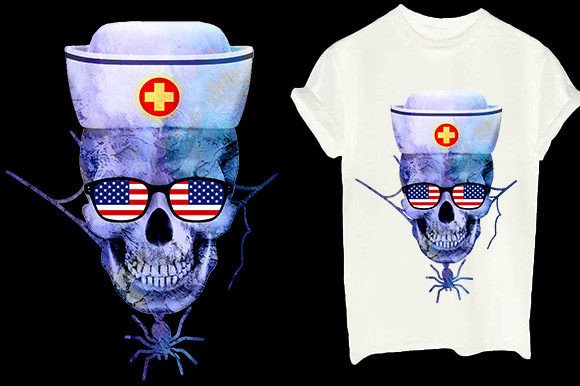
When I first saw the Skull Nurse design, I had a specific project in mind: a custom embroidered tote bag for a friend who works in healthcare but has a decidedly alternative style. My immediate impression was that this design balances a slightly macabre theme with a soft, watercolor aesthetic. It’s playful, not terrifying. The softened edges and implied brush strokes create a mood that’s more “quirky gift” than “heavy metal merch.” For embroidery, this means the design has a distinct visual personality that can elevate a simple project.
The Shape and Details Tell a Story Before You Stitch
The layout is central and straightforward, which is excellent for embroidery. The skull is the clear focal point, with the nurse’s cap integrated seamlessly. This isn’t a overly detailed illustration; it relies on broad shapes and subtle shading. In a real-life embroidery situation, this translates to cleaner stitching. You won’t be fighting tiny, intricate lines that might get lost in satin stitches or become muddy on textured fabrics like a sweater. It feels like a design meant to be read clearly from a few feet away—perfect for a statement piece on a sweatshirt or the center of a pillow cover.
Where This Design Finds Its Natural Home
I instinctively picture this Skull Nurse on substantial, stable fabrics. A heavyweight cotton tote bag, a canvas apron, or a denim jacket would be ideal canvases. The watercolor style, with its implied soft blends, can be beautifully interpreted with thoughtful thread color choices and fill stitch strategies. It would also make a fantastic, bold patch. For boutique products or small shop merchandise, this design adds a layer of narrative. It’s not generic; it suggests a customer with a specific sense of humor or style, which can boost engagement in an Etsy listing.
However, I’d approach baby clothes or delicate nursery decor with caution. The theme, while softened, might not align with traditional expectations for those items. Its strength lies in personalized gifts for adults, perhaps a quirky wedding gift for a medical professional couple, or as branded merchandise for a creative, edgy small business.
Practical Considerations for Stitching Success
Embroidery is a translation from digital file to physical thread. Here’s how I’d think about translating Skull Nurse.
First, the watercolor effect is key. This isn’t a design with hard, comic-book lines. To maintain that soft personality, you’d need to consider stitch density. Too dense a fill stitch on a thin fabric like a standard t-shirt could make the area stiff and bulky. On a sweatshirt or bag, it would be fine. Always test on scrap fabric first. This is crucial for judging how the larger shaded areas will look and feel after stitching.
Second, scale matters. Because the design relies on larger shapes, it would benefit from a generous hoop size. Trying to miniaturize it for a small cap or a tiny baby item might compress those soft blends into a confusing blob. The design’s strength is in its moderate scale, making it a great choice for a central motif on a tea towel or the front of a pillow cover.
Third, contrast is everything. The design description mentions multiple file formats, which is excellent for testing. Before committing thread, I’d always check the design in black and white mockups and compare how it appears on both light and dark fabric backgrounds. On a dark garment, you’d need to ensure your thread color palette provides enough pop. On a light fabric, you might want to soften the colors further to keep the watercolor feel. Using proper stabilizer for the chosen fabric—especially stretchy fabric or textured fabric—is non-negotiable to preserve those clean edges.
Where to Use Careful Judgment
Some applications require extra thought. Detailed corners in the skull or cap outline should be inspected in your embroidery file preview; you may need to adjust stitch angles for clarity. If you’re considering it for layered garments like a fleece-lined jacket, the stitch density becomes even more critical to avoid a stiff, uncomfortable patch. And for products destined for frequent washing, like kitchen towels or aprons, a robust stitch structure with quality thread will ensure the design lasts, maintaining customer trust in your handmade product.
The Impact on Your Project’s Appeal and Value
From a professional designer’s viewpoint, using Skull Nurse isn’t just about stitching a graphic. It’s about choosing a design that enhances the final product’s story. For a custom apparel project, it provides instant character. For a craft business item, it offers a ready-made narrative that can save you design time. Its recognisable yet unique theme can increase giftability—it feels specifically chosen, not mass-produced.
This boosts perceived value. When a customer sees this embroidery on a sweatshirt or bag, they see a cohesive, intentional finished product. That supports brand consistency for a maker and strengthens the handmade presentation. For commercial embroidery projects, it’s a design that communicates a clear mood, helping with buyer engagement right from the digital product preview or printable mockup.
Final Designer Notes Before You Hoop the Fabric
My process always includes a few final checks. For this Skull Nurse design, provided as a graphics product in the Crafts category, I would:
- Use the available file formats (like the SVG or PDF mentioned) to examine the design at high resolution, checking for any potential stitch traps in small details.
- Confirm the licensing terms explicitly before selling any finished items or digital products derived from it. Never assume.
- Plan my thread colors not just for accuracy, but for contrast against the final fabric. The watercolor style allows for some creative interpretation here.
- Remember that this design, with its central, bold shape, works well for both personal projects and, with proper licensing, potential commercial embroidery assets for your small shop.
In essence, the Skull Nurse design is a confident choice for projects where you want to inject personality without overwhelming complexity. It asks for a considered approach to fabric and scale, but rewards you with a distinctive, stitch-ready graphic that feels both professional and playfully human. It’s a design that understands it’s going to be made real with thread, and that’s the best starting point any embroidery designer can hope for.